Blog

  • Throne and Liberty: The Pay-to-Win Dynamics

    Throne and Liberty: The Pay-to-Win Dynamics

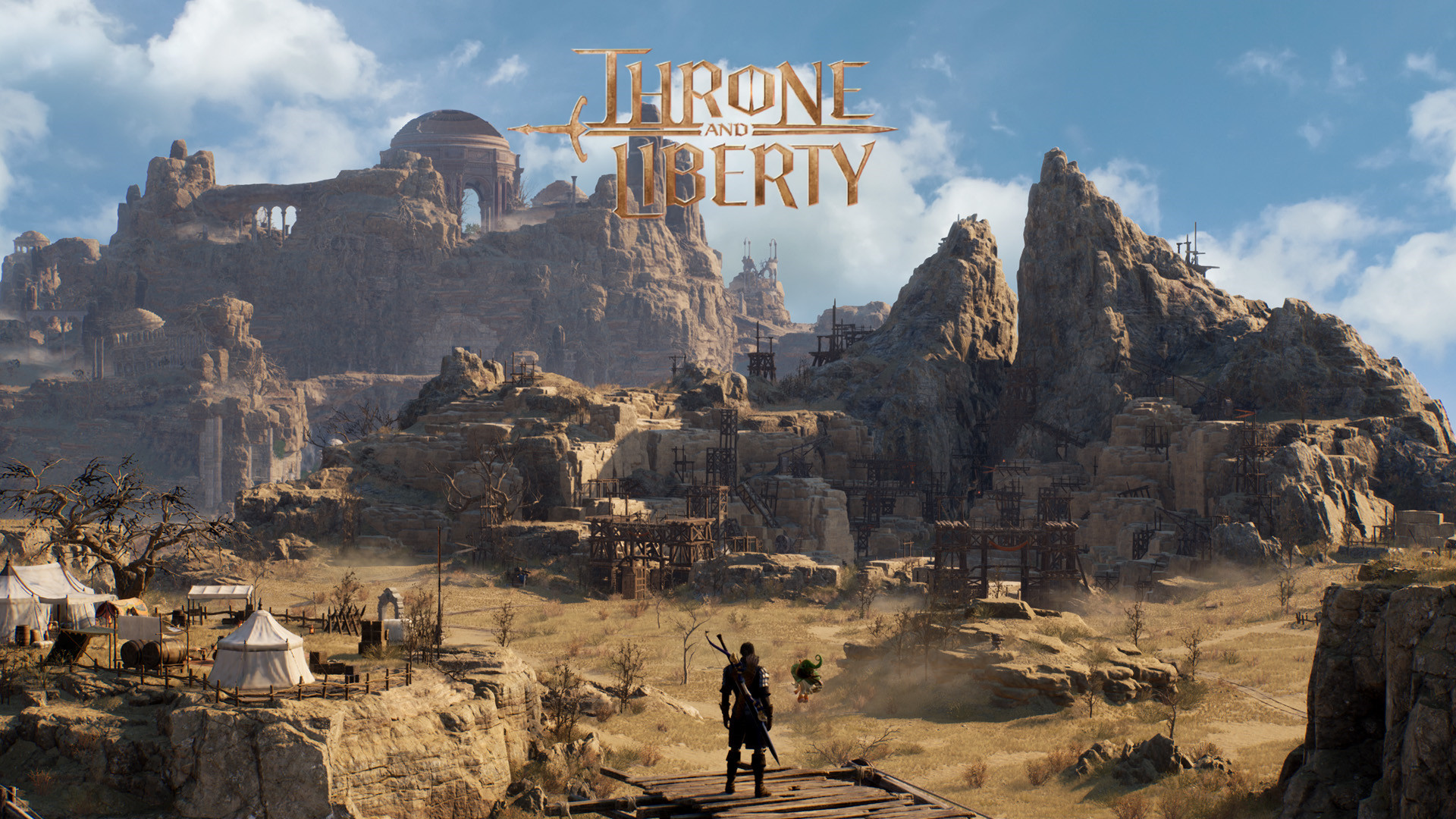
    In the expansive universe of fantasy RPGs, Throne and Liberty emerges as a NextGen experience, captivating players on PC, Android, and iOS. As you embark on this fantastical journey, you are greeted by the lush lands of Tiia, promising a blend of relaxation and excitement. The game boasts high-quality 3D models, stunning visuals, and a diverse collection of Heroes, each with unique attributes. The allure of 360° real-time operational battlefields awaits, demanding strategic mastery and impeccable timing in short, exhilarating encounters lasting 2 to 3 minutes.

    Throne and Liberty commit to a time-saving and user-friendly hero development system, offering players many powerful Heroes in the early stages, free of charge. The festive season introduces a Christmas event, allowing players to obtain a new legendary hero and skin through daily logins. Additionally, a competitive event between two camps, influenced by prominent gamers, offers players the chance to reap rewards by choosing a side and participating. To join the adventure, players can download Throne and Liberty using the provided QR code or the link in the description.

    Now, let’s delve into the intricate world of currencies within Throne and Liberty. Lucent and Solent take center stage as the primary currencies shaping the economic landscape of the game. Lucent, purchasable with real money, plays a pivotal role in the Auction House, referred to as the Marketplace. Here, players can acquire base-level gear and essential recipes for crafting specific sets. The gear materials available for purchase in the Marketplace are only part of the equation, as farming in-game becomes a necessity for obtaining the majority of required materials.

    Solent, on the other hand, acts as a secondary currency required for upgrades and crafting. The intricate process involves transferring experience from one piece of gear to another, demanding a significant investment of 300,000 Solent. This bottleneck prevents players from swiftly advancing to full purple gear, highlighting a balance between pay-to-win and the importance of in-game efforts.

    The cash shop introduces Crean, a currency used exclusively for the battle pass, growth pass, and costume packages. While these items offer advantages, they don’t directly impact gear progression. The pay-to-progress and pay-to-win aspects arise when purchasing Lucent and gear. Notably, the ability to buy gear doesn’t guarantee instant dominance, as the subsequent upgrading process involves farming untradeable growth stones and the use of Solent.

    The death mechanic in Throne and Liberty introduces an intriguing twist. Upon dying, players accumulate a death penalty stack, reducing damage and movement speed by 10% for every 20 deaths. To alleviate this penalty, players can spend Solent. This system adds a layer of consequences to deaths and influences strategic decisions during battles.

    Throne and Liberty Lucent, initially perceived as a premium currency, functions more like in-game gold. Tradable items, such as gear drops, can be sold for Lucent, providing players with a means to acquire the currency without direct investment. The game’s economic system encourages active guild participation, offering additional avenues to earn both Lucent and Solent. It’s 100% safe to buy TL Lucent and Items from mmoexp.com.

    As the game progresses, the importance of traits becomes evident. The endgame loop likely revolves around min-maxing these traits, requiring an identical copy of an item to transfer traits effectively. This introduces a potential pay-to-win scenario, where players with the means to purchase specific traits on the Auction House gain a significant advantage in optimizing their gear.

    Despite concerns about pay-to-win dynamics, the game’s current state suggests a balanced approach. Real-time rankings reveal the dominance of free-to-play players in both activity and kill rankings. Guilds led by free-to-play players hold the top positions, challenging preconceived notions about the necessity of heavy spending for success.

    In conclusion, Throne and Liberty presents a nuanced landscape, where pay-to-win elements coexist with opportunities for free-to-play players to thrive. The game’s evolving dynamics and endgame challenges will ultimately determine the extent of its pay-to-win nature. As players continue to explore the realms of Tiia, the true impact of economic systems and progression mechanics will become clearer, shaping the legacy of Throne and Liberty.

  • WoW Classic SoD: At first it was happy, now it’s frustrating

    WoW Classic SoD: At first it was happy, now it’s frustrating

    Well, here we go. The initial days were a blast, filled with excitement and enjoyment. However, the current state of affairs within the BFD (Blackfathom Deeps) groups has taken a nosedive into unnecessary tryhard territory. My gaze has been glued to the feed for an hour now, and during peak hours, the chat is flooded with spam. A significant portion of the groups boldly demands ludicrous prerequisites, such as a minimum gearscore of 260.

    The other half, seemingly more laid-back at first glance, turns out to be just as stringent when you reach out to them. Whether through whispers or group chats, they start probing about gearscore, logs, and equipment. Invariably, there’s always someone with better stats, and they opt for them without a second thought.

    After much frustration, I managed to secure a spot in a group that wasn’t explicitly advertising any gearscore requirement. I whispered the leader, highlighting my rogue class, experience, and the fact that I had brought potions for Kelthis. Within five minutes, I was at the raid location, patiently waiting an additional 30 minutes for the stragglers to traverse the virtual world. I even positioned myself on the beach, ready to assist with summoning and group running. When we finally entered the raid, my enthusiasm was crushed as the raid leader exclaimed, “OMG, rogue cringe! You lied about being 260 gearscore,” promptly kicking me out.

    To be brutally honest, this ordeal ruined my evening. Thirty minutes of waiting, only to be treated disrespectfully, and not a single soul in the raid showing any reaction or concern when I called out the raid leader in the chat. It’s back to the chaotic LFG spamfest for me.

    The irony is that this content should be straightforward, yet finding a regular group feels like an insurmountable challenge. I’ve successfully completed it twice on my rogue, achieving a 7/7 record with a few hiccups. The first run was an absolute disaster in terms of preparation, yet we triumphed. The second run, with a completely random group, went much smoother, and I consistently ranked as the second-highest DPS, just below a hunter. Remarkably, I accomplished this with a meager 150 gearscore, adorned with greens and a couple of blues.

    If only luck had been on my side during the initial run, or if I had won some rolls in the second, perhaps I’d be flaunting a higher gearscore, allowing me to conform to the arbitrary standards set by the community. Unfortunately, fate had other plans, and now I find myself relegated to the status of a grey peon, forced to either organize my own raid or face exclusion.

    This experience has left me feeling disconnected from the World of Warcraft community. The pursuit of gear has overshadowed the camaraderie and collective enjoyment that should be at the heart of these gaming experiences.

    Note: WoW Classic Season of Discovery is in the heat of the moment. MMOexp has plenty of WoW Classic SoD Gold for all players. In addition, we also offer all series of WoW Classic Gold, hurry up and follow MMOexp.com.

  • Evaluating Warrior Class Dynamics in Cabal: A Late-Game Perspective

    Evaluating Warrior Class Dynamics in Cabal: A Late-Game Perspective

    Embarking on a solo journey through Cabal: Return of Action, I’ve explored various classes such as FA, FG, WA, BL, and currently WI. While the WI class brought a new level of enjoyment, its susceptibility to damage became apparent during challenging encounters, prompting a contemplation of returning to the Warrior (WA) class. However, lingering doubts emerged as I encountered multiple discussions about the perceived decline of WA in the late game.

    As a seasoned warrior main, navigating the late game revealed certain shortcomings compared to counterparts with similar gear and progression. The disparities manifested in both damage per second (DPS) and survivability, factors crucial for success in Cabal’s endgame content. A closer examination illuminated key aspects contributing to this perceived decline.

    One notable factor is the mid-tier attack speed of Warrior’s Battle Modes 2 and 3 (bm2 and bm3). While bm3’s area of effect (AOE) capabilities meets the standard, bm2’s AOE is deemed niche. This places Warrior in a disadvantageous position against classes like FA, DM, and BL, whose faster bm2 classes can outpace damage due to less scaled-down DPS. The pace of the game appears to favor those who can unleash potent attacks swiftly, leaving Warriors somewhat lacking in this aspect.

    Another consideration revolves around defensive skills, an integral aspect of late-game survivability. Although Warriors possess visually appealing defensive skills, a comparative analysis reveals that they draw the proverbial short straw. While these skills provide a semblance of protection, they fall short when juxtaposed with counterparts from other classes. Notably, the offensive skill “Bloody Spirit,” while potent, often places the Warrior in a precarious position due to a significant defense decrease, necessitating judicious usage.

    The Warrior class is often labeled as the “Jack of all Trades,” embodying versatility with decent damage output, tankiness, powerful debuffs, CC immunity, and cost-effective gear. However, it seems to struggle with the notion of specialization. In the competitive landscape of endgame content, where excelling in specific aspects is crucial, the Warrior’s all-encompassing approach may deter some players. The class, while quirky and enjoyable, does not necessarily outperform other classes in terms of damage or survivability.

    Despite these observations, embracing the Warrior lifestyle can be a rewarding endeavor, provided one acknowledges and appreciates its unique characteristics. The class offers a distinct blend of features, allowing players to find their niche within the Cabal universe. While the Warrior may not stand out as the highest DPS or the sturdiest class, it invites players to savor a diverse set of skills and playstyles.

    In conclusion, the perceived decline of WA in the late game is not a definitive deterrent but rather a nuanced consideration for players seeking optimal performance in Cabal’s endgame content. The Warrior class, with its quirks and distinctive traits, can still offer a fulfilling gaming experience, provided one aligns their expectations with the class’s multifaceted nature. Of course, Cabal Return of Action Gems and Alz are also important, and MMOexp can help you. Ultimately, the choice to continue the Warrior journey or explore other classes hinges on personal preferences and playstyle preferences in the dynamic world of Cabal.

  • The Arcane Arts: The Power of The Elder Scrolls Online’s Arcanist

    The Arcane Arts: The Power of The Elder Scrolls Online’s Arcanist

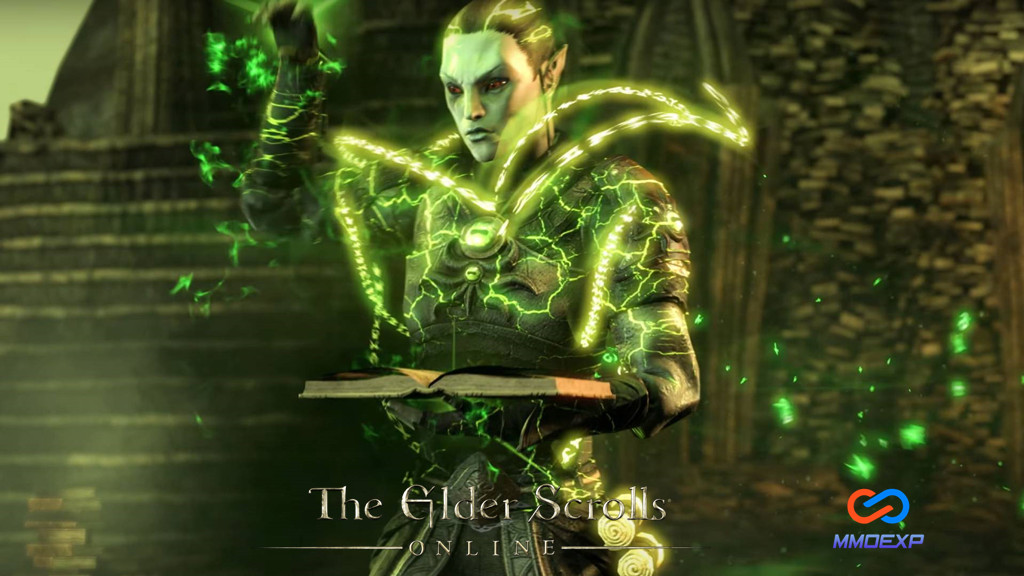
    The Elder Scrolls Online (ESO) has recently seen a surge in player excitement with the release of the new Elder Scrolls Online Necron Chapter. This expansion introduces not only fresh content but also a captivating new class, The Arcanist. Whether you’re a seasoned ESO player or a newcomer, now is the perfect time to dive into the world of The Arcanist. In this article, we’ll explore the versatility of this class and delve into some exciting and powerful builds that cater to different playstyles, from solo PvE to PvP and tanking.

    The Beginner’s Journey: Overland Sets Magic Arcanist

    Embarking on your journey with The Arcanist doesn’t have to be daunting, especially if you’re new to the game. The basic beginner build focuses on Overland sets and uses ESO gold, making it accessible for newcomers. This build strikes a balance between damage, healing, and survival, making it ideal for PvE solo gameplay. Mother’s Sorrow and War Maiden Overland sets form the core of this build, providing critical chance and enhancing magic damage, respectively. The Breton race is recommended for its cost reduction and magic recovery.

    The skills are tailored for both front and back bars, utilizing lightning and inferno staves. Tide King’s Gaze serves as the front bar ultimate, offering both damage and utility. This beginner-friendly build is easy to set up, yet potent enough to tackle various in-game challenges.

    Crux Cannon: The One-Bar Wonder

    For those who prefer simplicity without compromising on power, the Crux Cannon build is a one-bar Arcanist setup that excels in both solo and group PvE content. This stamina-focused build employs dual daggers and utilizes the deadly strike set, enhancing primary damaging abilities like Fate Carver. Orders Wrath and the Mythic item Open Soul Ring add critical chance, damage, and healing bonuses.

    The Khajiit race is recommended for its ideal synergy with solo or small group play. The Crux Cannon rotation is straightforward, emphasizing the power of Fate Carver while maintaining high survivability through well-timed shields and heals.

    Rune Knight: The Arcanist Tank

    The Arcanist’s natural tanking abilities make it a compelling choice for those interested in the tanking role. The Rune Knight tank build focuses on sets like Powerful Assault and Turning Tide, providing group utility and major vulnerability to enemies. Trimmer Scale serves as the monster set, adding penetration for better damage output in group scenarios.

    Nord is recommended for tanking, bringing extra ultimate generation and durability to the build. With skills like Runic Sunder and Impervious Rune Ward, the Rune Knight tank build is not only effective but also strategically engaging, offering a unique tanking experience.

    PvP Dominance: The Arcanist PvP Build

    PvP enthusiasts will find joy in the Arcanist’s ability to debuff enemies and apply status effects. The PvP build centers around the Way of Fire and Word of Cyrodiil sets, adding constant pressure to foes. The Orc race complements the melee-focused playstyle, offering additional speed for swift engagements.

    Key skills such as Cephalex Flail, Whirling Blades, and Camouflage Hunter, combined with the powerful Tide King’s Gaze ultimate, create a deadly combination. The build’s survival is enhanced with impervious Rune Ward and Vigor, making it a force to be reckoned with on the battlefield.

    Bow Arcanist: Master of Ranged Combat

    The Bow Arcanist build capitalizes on the recent improvements to bow damage, making it an even more formidable choice for ranged combat. The Deadly Strike and Order’s Wrath set, along with the Stormfist monster set, contribute to significant damage output. The Khajiit race enhances critical chance, while the Bow skill line skills are optimized for both offense and defense.

    Skills like Cephalex Flail, Poison Injection, and Endless Hail create a deadly combination for unleashing devastating attacks from a distance. The language I ultimately add an extra layer of damage, securing the Bow Arcanist’s place as a master of ranged combat.

    Unkillable Magicka Arcanist: Solo Content Specialist

    For those seeking an all-around solo build capable of conquering challenging content, the Unkillable Magicka Arcanist is the answer. This build focuses on high survivability, featuring sets like Deadly Strike and Pillar of Nirn, along with the powerful Velothi or Mages Amulet Mythic item. Dark Elf is the recommended race for its balanced stats.

    Skills like Cephalex Flail, Deadly Cloak, and Barb Trap, combined with the Languid Eye ultimate, create a resilient and potent combination. This build is designed for solo world bosses, dungeons, and even arenas, showcasing the true potential of The Arcanist.

    Easy Stamina Arcanist DPS: Simple Yet Potent

    Last but certainly not least, the Easy Stamina Arcanist DPS build offers a straightforward yet powerful approach to dealing with damage. Deadly Strike, Pillar of Nirn, and the Velothi or Mages Amulet create a lethal synergy for high DPS. The Dark Elf race and Thief Mundus stone enhance critical chance and damage.

    The dual-wield front bar and two-handed back bar setup emphasize skills like Cephalex Flail, Exhausting Fate Carver, and Camouflage Hunter. With an uncomplicated rotation, this build allows players to focus on the joy of dealing substantial damage without overwhelming complexity.

    Conclusion:

    The Elder Scrolls Online’s Arcanist class opens up a world of possibilities for players, offering diverse and enjoyable playstyles across various content types. Whether you’re drawn to solo adventures, group activities, or competitive PvP, The Arcanist has a build tailored to your preferences. As you embark on your journey with this versatile class, experiment with different setups, and find the playstyle that resonates with you. The Elder Scrolls Online continues to evolve, and with The Arcanist leading the way, there’s never been a better time to join the adventure.

    Remember to stay tuned to MMOexp.com for all the latest news! You can also enjoy buying cheap Elder Scrolls Online gold service here.

  • How do I genuinely enhance my skills in FC 24

    How do I genuinely enhance my skills in FC 24

    How can I effectively enhance my skills in this game? It’s been over a decade since I last played FIFA, and I’m currently immersed in Ultimate Team, which I find quite enjoyable. There’s a certain satisfaction in collecting and assembling your team, then pitting them against others. This feels reminiscent of my childhood love for Yu-Gi-Oh, making Ultimate Team feel like a football fan’s version of the game.

    However, I admit I’m not very adept at FC 24, and this lack of skill amplifies the frustration that seasoned players often express about the game’s quirks. My limited skill set makes countering these challenges even more challenging. My attacking strategy primarily revolves around utilizing control dribble and passing, especially when I’m not under intense pressure. In contrast, opponents in Division 6 effortlessly execute intricate dribbling maneuvers that I struggle to defend against or replicate.

    So, how do I improve? What’s the key to proper defensive play? Which skill moves should I focus on? I recently heard about something called agile dribbling – how prevalent is it, and in what situations is it most effective? Moreover, how do opponents manage to stick so closely with their defenders, irrespective of my sprinting speed or abrupt stops? When I attempt the same, my player often zooms past the target.

    The title sums it up – how do I genuinely enhance my skills in FC 24? Is there value in following the meta, and if so, what aspects should I prioritize? On the flip side, mastering the basics seems crucial. Can you provide guidance on fundamental skills like player switching, defensive composure, and space creation? How to earn and use FC 24 Coins wisely? I appreciate any advice you can offer. Thanks in advance.

  • New World – Requesting AGS to address the balance of healers in PvP

    New World – Requesting AGS to address the balance of healers in PvP

    An uneven distribution of healers between teams results in a near-certain loss about 90% of the time in Outpost Rush (OPR) and Arena matches. This scenario can be quite frustrating for those not part of a premade duo or a 5-stack group benefiting from their dedicated healer. AGS, we implore you to take action regarding the healer situation.

    The state of healing in Arena is far from balanced. It necessitates anti-healing abilities and an excessive level of coordination within a team to eliminate a player who seems to only press two buttons repeatedly.

    In general, healing dramatically alters the pace of games. For instance, World of Warcraft has been dominated by the unchanging combination of 2 DPS and a Healer for years, making it somewhat dull.

    -Yes, it requires skill.
    -Yes, it adds depth.

    But it has transformed the game into something it wasn’t intended to be when healers are absent. The presence of healers in games often means you don’t need to learn from your mistakes, at least not the glaring ones and need more New World Coins. Made a positioning error and took a headshot or a fireball to the face? Not a big deal, a short cooldown heal just erased all that damage!

    Suddenly, every game balance update assumes that everyone is playing with 2 DPS and 1 Healer. Everything in the game becomes balanced around this setup, and every Arena match lasts a mere 5 minutes. This isn’t what I want. I’ve experienced it from both sides, as a Healer and as a DPS.

    Until they address the synergy between “shirking heals” and “ankh,” healers are the least of our problems.

    To assess if “shirking heals” + “ankh” is overpowered, you should not compare it to “shirking heals” + “ankh” + a healer. Instead, compare it to “shirking heals” alone and to having no healing support at all.

    In this context, you should ask whether “shirking heals” + “ankh” is potent enough that someone with only “shirking heals” can still have a fighting chance and occasionally win (achieving a 30-50% win rate) compared to someone with this combo.

    You should also inquire if “shirking heals” alone is strong enough that someone with no healing abilities can still stand a chance and occasionally win (achieving a 30-50% win rate) compared to someone with it.

    If not having any of these abilities still results in a 50% win rate, that ability is essentially useless. Conversely, if not having any of these abilities leads to a win rate of less than 20%, that ability becomes nearly mandatory and creates a barrier for PvP against those without it. This is how we discern what is overpowered and what isn’t.

    It’s expected for players to optimize their builds to perform well in PvP; that’s normal. Your win rate increases with every adjustment, whether it’s slotting high-tier gems, using 700 Gear Score equipment, or choosing the right perk. However, if a single element significantly impacts win rates, it’s a sign that it might be overpowered.

    In their current forms, I believe that “shirking heals” + “ankh” and “shirking heals” both fall into this category when compared to having no healing abilities. They do enhance the health and dynamism of PvP (boosting light armor mobility builds, which I appreciate), but they should be adjusted to be less overpowering or more accessible, granting those without healing abilities a fair chance to survive and adapt.

    Those who don’t recognize this and believe these elements are perfectly balanced are likely reveling in their power and inaccessibility. You can change all that with New World gold coins.